

Polypropylene (PP), discovered by the amount 5 resin signal, provides as a backbone for numerous industries. From automotive components and textiles to food presentation and rigid transport crates, this versatile plastic is ubiquitous available sector. However, for business leaders and facility managers, handling polypropylene (PP) is no further just a matter of removal; it is an ideal necessity concerning complex logistics and economic opportunity.
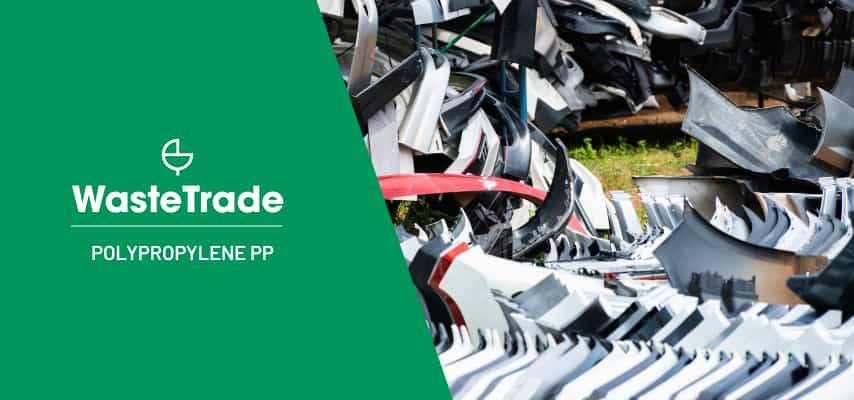
Shifting from the linear "take-make-waste" model to a circular economy takes a serious comprehension of how particular recycling solutions operate.
What is the present range of the plastic spend concern?
Knowledge shows that the industrial and commercial sectors are significant contributors to global plastic generation. While Polypropylene is one of the very made parts worldwide—second only to Polyethylene—recycling charges have traditionally lagged.
Business reports claim that less than 10% of most plastic actually produced has been recycled. For commercial operations, that statistic presents an enormous inefficiency. Countless a great deal of valuable PP material result in landfills or incinerators annually, representing a loss in capital and resources. Committed PP recycling companies for industrial procedures try to close that hole by acquiring high-volume, post-industrial scrap before it leaves the economic loop.
How can industrial PP recycling services run?
Unlike municipal recycling, which grips commingled house spend, professional recycling is targeted on size and purity. The method typically uses a arduous framework:
1. Selection and Divorce: Services release particular containment products to features to make certain PP is kept separate from different polymers like PET or HDPE. Cross-contamination considerably devalues the load.
2. Densification: Free plastics (like shows or strapping) tend to be baled or compacted on-site to lessen transport costs.
3. Granulation and Cleaning: Upon birth at a processing ability, the substance is shredded into flakes and strongly washed to remove labels, soil, or professional residues.
4. Extrusion: The clean flakes are melted down and extruded into pellets. These pellets serve as raw product for production new crates, automotive areas, or outdoor furniture.
What are the economic great things about focused recycling applications?
The economics of waste administration are shifting. Historically, firms paid an appartment charge to have waste hauled to landfills. However, with rising tipping charges and landfill fees in several jurisdictions, disposal is now increasingly expensive.

Applying a PP recycling program flips that dynamic. Supreme quality, uncontaminated Polypropylene scrap is really a commodity. Recycling companions often present rebates for baled substance, turning a cost center (waste disposal) into a possible revenue stream. More over, diverting a lot of heavy plastic from general waste revenues significantly decreases the weight-based expenses related to common dumpster hauling.
Why is "closed-loop" recycling being a normal?
Corporate sustainability revealing has become data-driven. Stakeholders require concrete proof of environmental governance. Using PP recycling services enables companies to record unique metrics: tonnage diverted from landfills, carbon presence reductions, and percentage of recycled content found in new products.
By reintegrating their own spend back within their supply chain—or ensuring it re-enters the market as high-grade recyclate—organizations defend themselves against organic product cost volatility. An effective recycling technique ensures that the material value of Polypropylene is maintained, supporting equally underneath range and the environment.